
Tea Strainer
Showing 1–40 of 67 resultsSorted by popularity



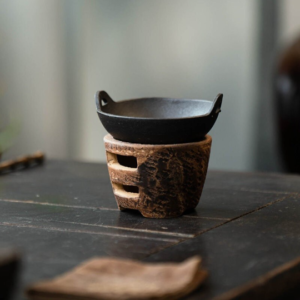
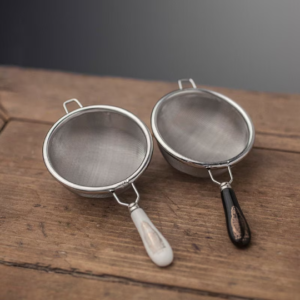
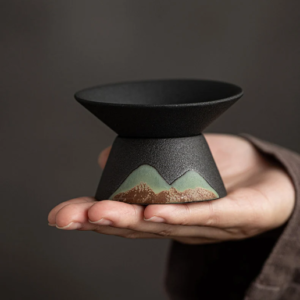
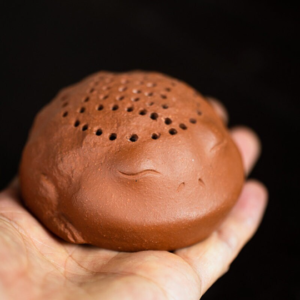





Showing 1–40 of 67 resultsSorted by popularity
Tea Strainers: The Secret to a Crystal-Clear Brew
In the Gongfu tea ceremony, the difference between a good cup of tea and a great one often lies in the clarity of the tea soup. While most teapots—including high-end Kyusu and Zisha pots—have internal filters, they are often designed with large holes that allow “tea dust” or small leaf fragments to escape.
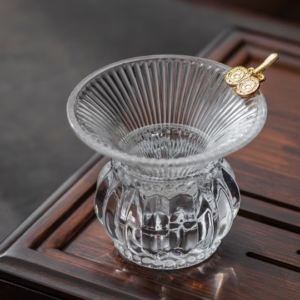
A Tea Strainer (茶滤, Chá Lǜ) acts as the final gatekeeper. By placing a fine-mesh strainer over your Fairness Pitcher, you ensure that every drop of tea is smooth, vibrant, and free of debris.
Exploring Materials: From Ancient Tin to Modern Porcelain
The material of your strainer doesn’t just filter the tea; it sets the aesthetic tone of your tea table.
1. Porcelain and Ceramic (The Neutral Filter)
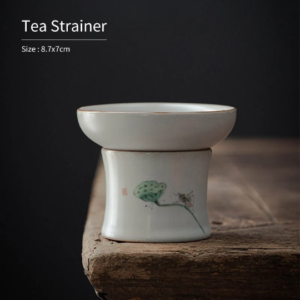
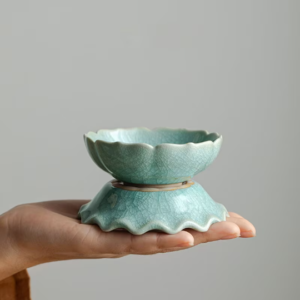
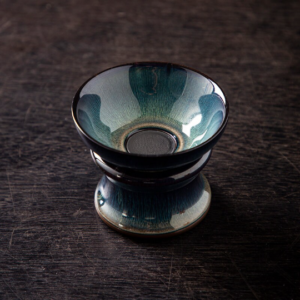
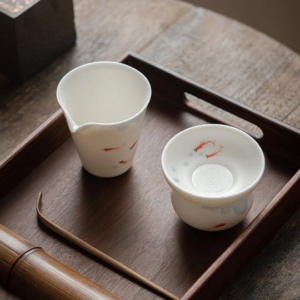
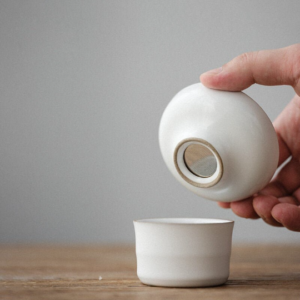
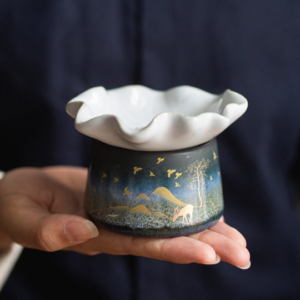
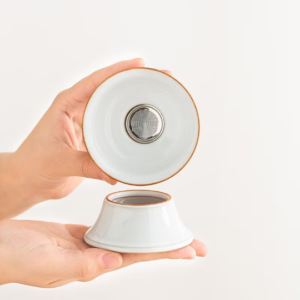
Ceramic strainers, such as our Ru Kiln or Jian Zhan styles, are the most popular choice for professional tasting.
-
Why choose it: Porcelain is non-porous and “honest.” It doesn’t affect the flavor of the tea, making it ideal for delicate Green or White teas.
-
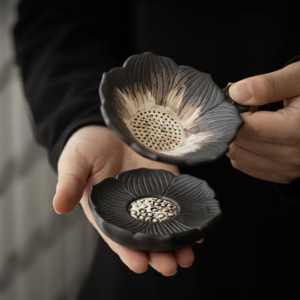
Styles: Look for the Lotus or Bodhidharma designs to add a touch of Zen to your tray.
2. Yixing Zisha and Purple Clay (The Traditionalist)
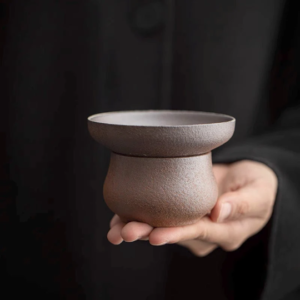
Crafted from the same earth as the famous Yixing teapots, Zisha Tea Strainers are a favorite for Pu-erh and Black tea lovers.
-
The Patina: Like a Zisha pot, these strainers will absorb tea oils over time, developing a deep, lustrous glow.
-
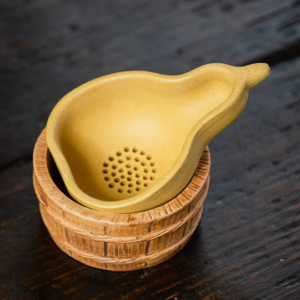
Design: Many feature traditional shapes like the Gourd or Turtle, symbolizing longevity and luck.
3. Metal (Tin, Brass, and Stainless Steel)
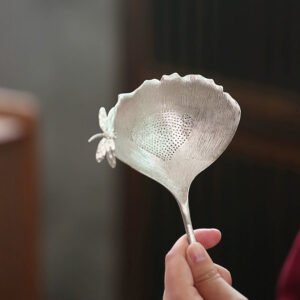
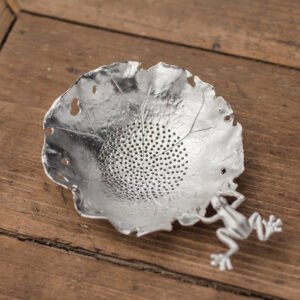
If you are looking for durability and a “Vintage” feel, metal is the way to go.
-
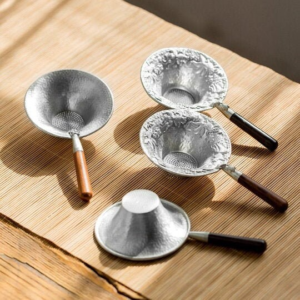
Tin: A traditional metal used for centuries in tea storage and filtration due to its purity.
-
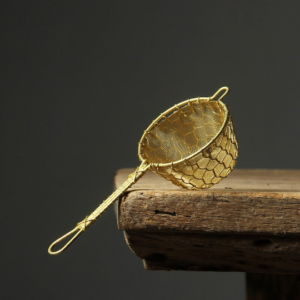
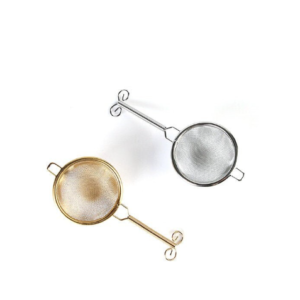
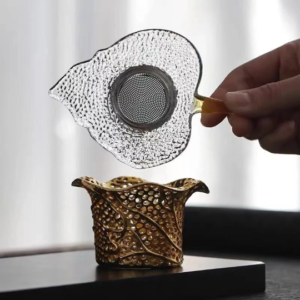
Brass: Known for its antique gold luster, Brass Tea Strainers add a regal, historical weight to your tea set.
-
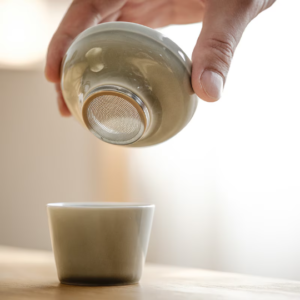
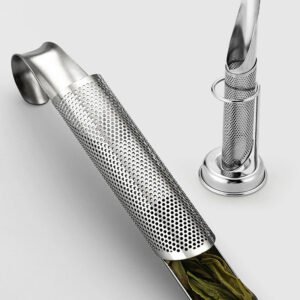
Stainless Steel: Often used as the fine-mesh insert within ceramic strainers to provide the highest level of filtration.
4. The Bodhi Leaf (The Natural Path)
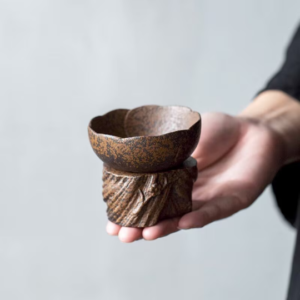
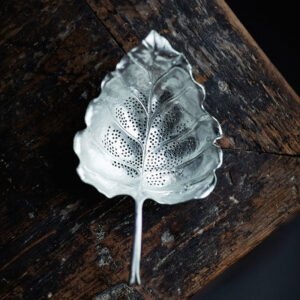
For the ultimate organic experience, the Bodhi Leaf Tea Strainer uses the skeleton of a real leaf to filter tea. It is the most minimalist and poetic way to brew, though it requires gentle handling.
The Tea Pet Crossover: Function Meets Fun
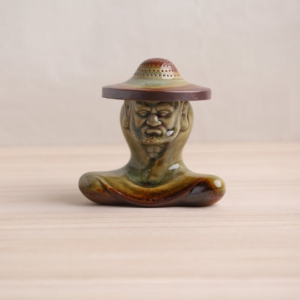
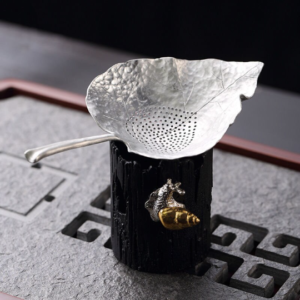
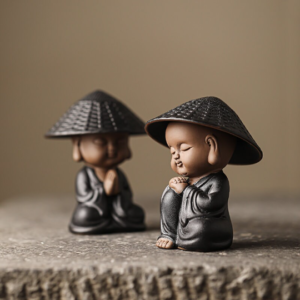
Some of our most unique strainers double as Tea Pets. Pieces like the Handmade Purple Clay Crab or the Little Monk strainer serve two purposes:
-
Filtering: They hold the mesh in place to catch tea leaves.
-
Nourishing: As you pour hot tea through them, you are “feeding” the pet, allowing it to develop a rich patina just like a standard tea pet.
How to Coordinate Your Tea Strainer
A tea strainer is part of a “Tea Ecosystem.” To use it correctly:
-
The Placement: Place the strainer directly onto the mouth of your Gong Dao Bei (Fairness Pitcher).
-
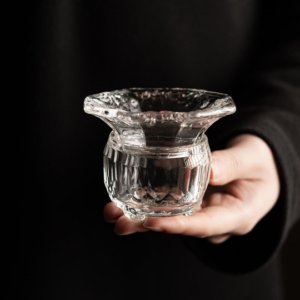
The Base: Many of our strainers come with a matching Strainer Base. This prevents tea from dripping onto your Tea Tray once you’ve finished pouring.
-
The Pour: Pour the tea from your teapot or gaiwan slowly through the center of the strainer. This prevents “splashing” and ensures all sediment is caught in the mesh.
Care and Cleaning
-
Immediate Rinse: Always rinse your strainer with hot water immediately after use. If tea leaves dry inside the fine mesh, they can be difficult to remove and may affect the flavor of your next brew.
-
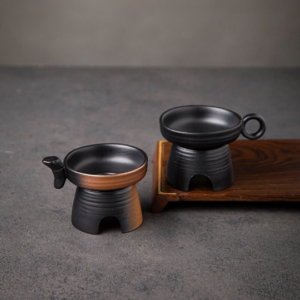
No Soap for Clay: If you are using a Purple Clay (Zisha) or Black Pottery strainer, avoid detergents. Use only hot water to maintain the integrity of the material.
-
Deep Clean: For stainless steel mesh that has become stained over time, a brief soak in a mixture of baking soda and warm water will restore its shine.
Refine Your Tea Ritual
From the iridescent Starry Sky glazes to the rustic Brass handles, discover the perfect Tea Strainer to complete your set. Explore our collection of 67+ handcrafted filters below.