
Tea Bowl
Showing all 30 resultsSorted by popularity






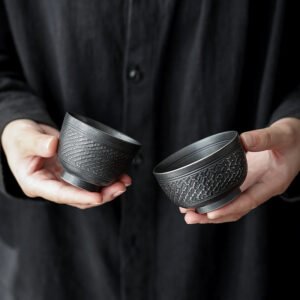
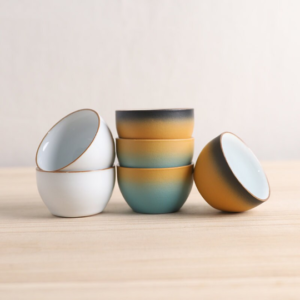

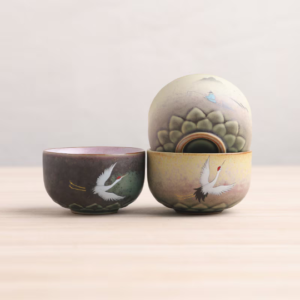
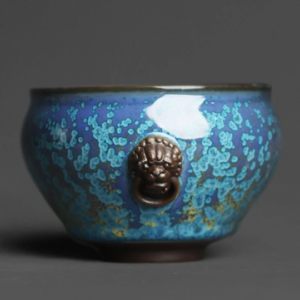
Showing all 30 resultsSorted by popularity
Tea Bowls & Chawans: The Timeless Vessel of Zen and Ritual
The Tea Bowl, known as Chawan (茶碗) in both Chinese and Japanese traditions, is the most ancient and soulful way to experience tea. Long before the invention of the teapot or the delicate handled cup, tea was whisked, steeped, and sipped from these broad, open-faced vessels.
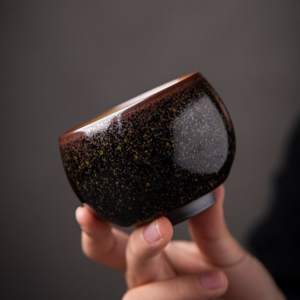
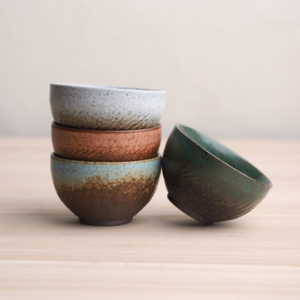
A tea bowl is more than a cup; it is an invitation to hold the warmth of the brew with both hands, fostering a deep, meditative connection between the drinker and the leaf. Our collection ranges from the legendary Jian Zhan oil-spot glazes to the rustic, earthy textures of Japanese Wabi-Sabi pottery.
The Evolution of the Chawan: From China to Japan
While the term “Chawan” is often associated with the Japanese tea ceremony today, its roots lie in the ceramic kilns of the Chinese Tang and Song Dynasties.
-
Chinese Tea Bowls: Historically, these were the primary vessels for tea. Over centuries, they became more refined, eventually leading to the invention of the Gaiwan (the lidded bowl). In a Gongfu setting, a smaller tea bowl allows for quick cooling and frequent, concentrated sips.
-
Japanese Tea Bowls: Influenced by Chinese “Tenmoku” ware, the Japanese Chawan evolved to support Matcha culture. These bowls are typically larger and sturdier, designed to withstand the vigorous whisking of green tea powder.
-
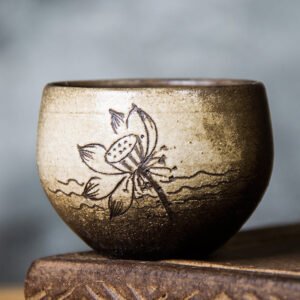
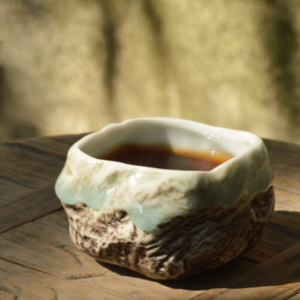
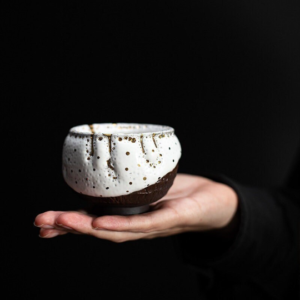
Wabi-Sabi Aesthetic: Many of our bowls celebrate “imperfection”—natural ash glazes, irregular rims, and “nailed” textures that embody the Zen philosophy of finding beauty in the transient and modest.
The Tea Ecosystem: Coordinating Your Bowl with Other Ware
A Tea Bowl is the “finish line” of the brewing process. To truly elevate your tea table, it should be used in harmony with other specialized tools:
1. The Fairness Cup (Gong Dao Bei)
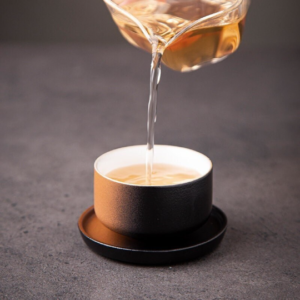
Unless you are whisking Matcha directly in the bowl, you should never pour directly from a teapot into a tea bowl. Use a Gong Dao Bei (Fairness Pitcher) to ensure the tea’s strength is consistent. This is especially important for our Jun Kiln or Jian Zhan bowls, as the wide surface area beautifully displays the clarity and color of the tea liquor once it has been equalized in the pitcher.
2. The Tea Tray and Tea Pet
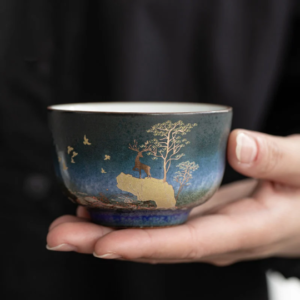
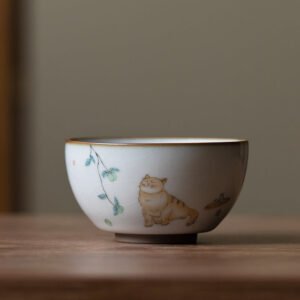
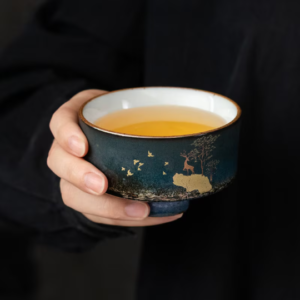
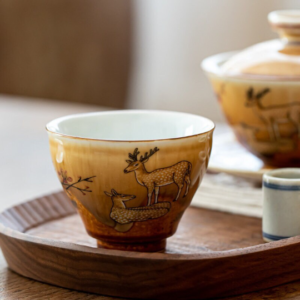
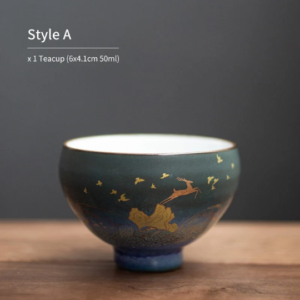
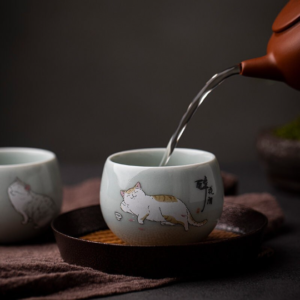
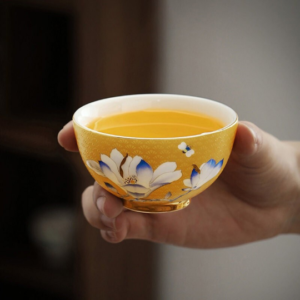
Because tea bowls have a wider footprint, they pair perfectly with a solid wood or stone Tea Tray. While you drink, don’t forget to nourish your Tea Pet. Our Deer, Cat, and Lotus themed bowls coordinate beautifully with ceramic tea pets, turning a simple drink into a lively, interactive landscape.
3. The Bamboo Whisk (Chasen)
For larger bowls (150ml – 210ml), like our Jun Kiln Tea Bowl, you have enough space to use a Chasen (bamboo whisk). This is essential for creating the creamy, frothy foam characteristic of high-quality powdered teas.
Choosing Your Aesthetic: Material & Design
| Material | Best For | Aesthetic Vibe |
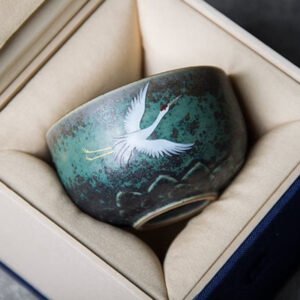
| Porcelain | Green & White Teas | Bright, clean, and elegant (e.g., Crane & Lotus designs). |
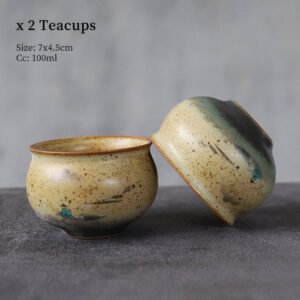
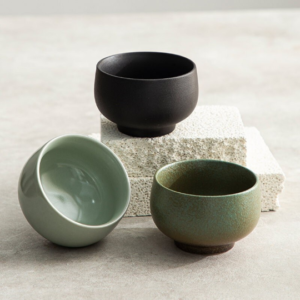
| Clay / Pottery | Pu-erh & Black Teas | Earthy, rustic, and develops a patina (e.g., Zisha or Wabi-Sabi). |
| Jian Zhan | Oolongs & Collectors | Iridescent, “Starry Sky” effects; heavy and heat-retaining. |
How to Care for Your Tea Bowls
To ensure your Ceramic Tea Bowl lasts for decades, treat it with the respect its history deserves:
-
Avoid the Microwave: High-fired glazes, especially those with Gilded or Iron Rust elements, should never be microwaved.
-
The Warm Rinse: Before brewing, always rinse your bowl with hot water. This “wakes up” the ceramic and prevents the cold bowl from shocking the temperature of your tea.
-
Air Dry Gracefully: After a light hand-wash (no detergents for unglazed clay!), let your bowl air dry completely in a well-ventilated space to prevent any “musty” aromas from developing in the pores.
Discover Your Perfect Chawan
Whether you prefer the “Kawaii” charm of our Cat Tea Bowls or the deep, cosmic mystery of a Jian Zhan Starry Sky cup, find the vessel that turns every sip into a moment of Zen.